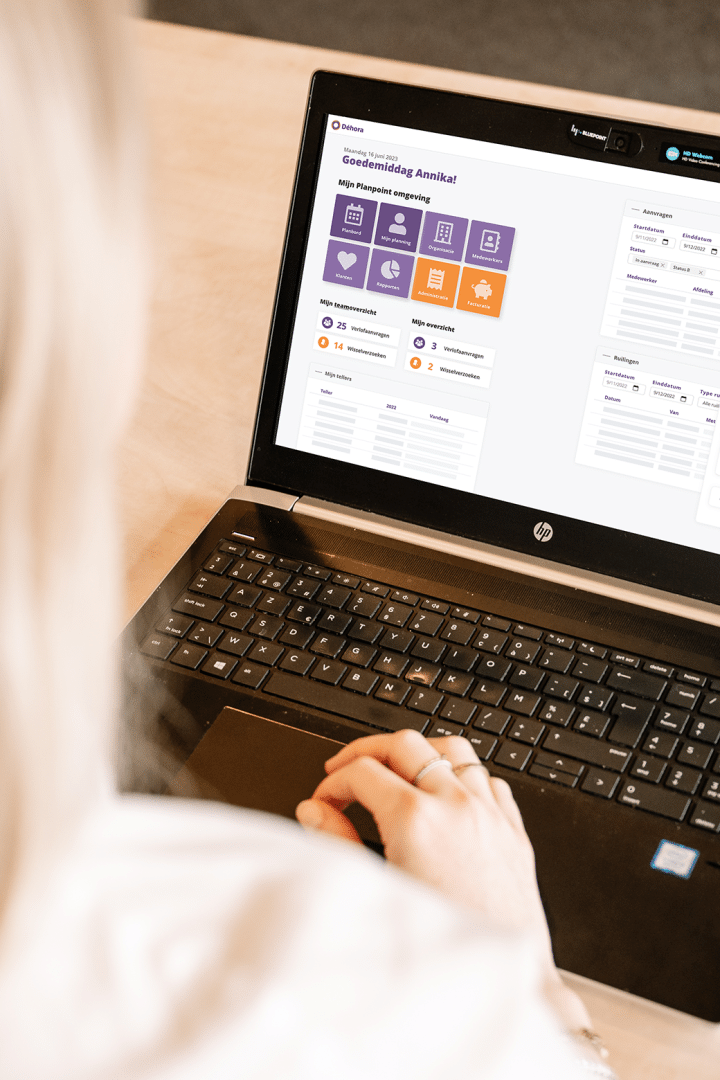
Employee Self Service (ESS): everything you need to know
A powerful tool for creating engaged employees and an efficient work environment is an Employee Self-Service (ESS) portal. ESS not only enhances the employee experience but also streamlines HRM processes, leading to a more productive and engaged workplace.
What is Employee Self-Service (ESS)?
Employee Self-Service is a digital platform where employees can perform HR-related tasks online and manage their personal information. This system, accessible through a web portal or mobile app, improves the employee experience by providing quick and easy access to essential HR services. Employees have access to payslips and can manage tasks such as leave requests, and information about benefits on their own: promoting engagement and satisfaction. Additionally, ESS simplifies HRM processes and boosts organizational efficiency.
How Employee Self-Service (ESS) Transforms the Workplace
Gone are the days of paper forms, manual approvals, and long email threads for HR requests. ESS simplifies these tasks by automating workflows and offering employees everything they need on a single, easy-to-use platform.
With ESS, employees can:
- Submit and track requests
- Update personal information
- Access important company documents anytime, from any device with internet access
This improves efficiency and enhances communication between employees and HR. Automated notifications keep everyone informed about requests and important announcements. As a result, HR departments can focus more on complex employee needs and fostering a positive work environment.

Key Benefits of Employee Self-Service (ESS)
ESS goes beyond just simplifying HRM processes; it offers tangible benefits for both employees and employers. Below are some of these advantages.
Increased efficiency and employee independence
ESS automates many HR tasks, reducing manual work and paperwork. Employees can use the platform to update their personal information, such as contact details and bank information, without needing HR assistance. This saves time for both the employee and the HR department and reduces the likelihood of errors in manual data entry.
Employees also have more control over their information, allowing them to independently access pay slips, tax forms, and benefits information. This fosters a sense of responsibility and engagement.
Improved data management and relief for the HR department
Another significant benefit of ESS is improved data management. Employees can update their own information, ensuring accurate and up-to-date employee records. This reduces errors and miscommunication, particularly for time-sensitive tasks such as payroll. Additionally, ESS provides employees with easy access to HR-related documents, policies, and procedures. This reduces the need for frequent HR support and allows HR professionals to focus on strategic initiatives like talent development and improving workplace culture.
Short- and long-term cost savings
By automating tasks such as payroll and reducing the need for paper documents, an ESS platform can significantly lower administrative costs. For example, using digital platforms saves on paper, printing, and postage costs for documents like company policies and training materials. Moreover, the efficiency gains ESS brings to the HR department allow you to allocate HR personnel more effectively, leading to long-term savings in staffing costs.
7 Essential Features of Employee Self-Service (ESS) in WFM Software
Communication and collaboration
- Messages and notifications: Internal communication through messages and notifications for important updates.
Employee data management
- Profile management: Employees can update their personal information, contact details, work history, and preferences regarding working hours.
- Tracking personal balances: Follow contract hours, worked and remaining hours, etc.
- Document management: Storage and access to important documents such as contracts and certificates.
- Tracking qualifications and skills: Keep track of employee qualifications and skills.
Workforce planning and scheduling
- Online schedules: Employees can view their work schedules, follow up on client details and tasks, and request shift swaps or time off.
- Track real-time changes: Stay updated on any schedule changes.
- Team schedules: View collective team schedules for better team coordination.
Time tracking
- Digital clocking system: Employees can clock in and out through their ESS.
- Overview of worked hours: Detailed reports of worked hours, overtime, and absences.
Vacation and absence management
- Manage leave requests: Employees can request leave, and managers can approve or deny these requests.
- Absence reporting: Track sick leave and other absences with automatic notifications.
Wat is Employee Self Service (ESS)?
Employee Self Service (ESS) is een digitaal medewerkersportaal waarin medewerkers zelf hun planning, verlof, gewerkte uren, documenten en andere werkgerelateerde informatie kunnen raadplegen en beheren. Daardoor zijn ze minder afhankelijk van HR of de planningsafdeling.
Wat is het verschil tussen een medewerkersportaal en Employee Self Service?
Er is eigenlijk geen verschil. Employee Self Service (ESS), medewerkersportaal en personeelsportaal worden vaak als synoniemen gebruikt. Ze verwijzen allemaal naar een digitale omgeving waarin medewerkers zelf HR- en planningszaken kunnen regelen.
Welke taken kunnen medewerkers zelf uitvoeren via een ESS
Dat hangt af van de organisatie, maar in Planpoint kunnen medewerkers hun rooster bekijken, verlof aanvragen, diensten ruilen, uren registreren, documenten raadplegen, persoonlijke gegevens aanpassen en meldingen ontvangen.
Wat zijn de voordelen van Employee Self Service?</
Een ESS vermindert administratief werk voor HR en planners, geeft medewerkers meer autonomie en zorgt ervoor dat iedereen met dezelfde actuele informatie werkt. Daardoor verlopen processen sneller en neemt de kans op fouten af.
Is Employee Self Service alleen interessant voor grote organisaties
Zeker niet. Ook kleinere organisaties besparen veel tijd wanneer medewerkers zelf hun planning, verlof en uren kunnen beheren. Naarmate een organisatie groeit, neemt die meerwaarde alleen maar toe.
Hoe werkt Employee Self Service samen met personeelsplanning?
Een modern ESS is rechtstreeks gekoppeld aan de personeelsplanning. Een goedgekeurde verlofaanvraag wordt bijvoorbeeld automatisch verwerkt in het rooster, terwijl medewerkers roosterwijzigingen onmiddellijk zien.
Kan Employee Self Service ook gebruikt worden voor tijdregistratie?
Ja. Veel medewerkersportalen laten medewerkers digitaal in- en uitklokken, gewerkte uren controleren, afwijkingen melden en persoonlijke urensaldi opvolgen.
Wat kan Employee Self Service in Planpoint?
Het medewerkersportaal van Planpoint combineert personeelsplanning, tijdregistratie en HR in één omgeving.
Medewerkers kunnen onder meer hun rooster bekijken, verlof aanvragen, diensten ruilen, uren registreren, documenten raadplegen en meldingen ontvangen. Omdat alles deel uitmaakt van hetzelfde workforce management-platform, worden wijzigingen automatisch verwerkt in de planning en andere HR-processen.
Benieuwd hoe dit in de praktijk werkt?
Wil je meer weten over hoe onze Employee Self-service jouw personeelsinzet kan transformeren? Neem vandaag nog contact met ons op!
Meer over personeelsplanning en zelfsturing

Are you still using Excel for your workforce planning?

Fixed time clock or mobile time tracking?

You can install software. Success is built together.